Table of Contents
Asphalt Paving for HOA Boards
HOA boards face a constant tension: residents demand smooth roads while the reserve budget has limits. When private roads start cracking, that tension breaks fast.
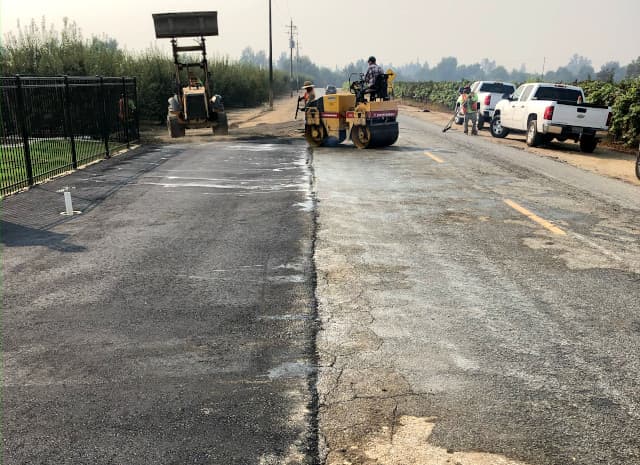
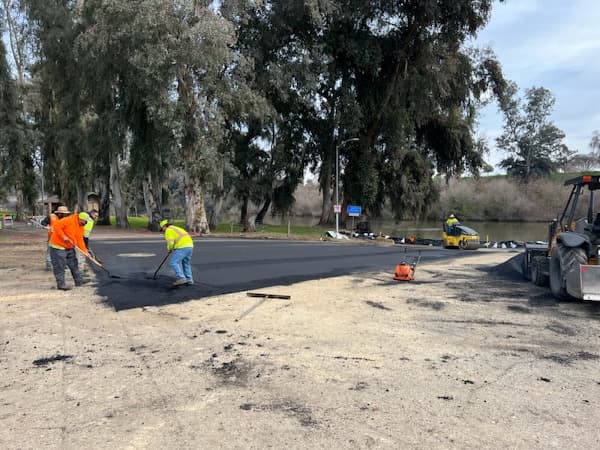
Delaying asphalt repairs in a private community doesn’t save money; it multiplies the cost. Water enters through surface cracks, degrades the sub-base, and turns a minor repair into a full reconstruction. We work directly with HOA boards to manage asphalt maintenance and full road replacements without the neighborhood drama. We map out the work, stick to the timeline, and keep your residents informed.
Central Valley Weather vs. Community Pavement
In the Central Valley, the elements are actively working to destroy your roads. The intense summer sun relentlessly bakes the asphalt, oxidizing the surface. This chemical reaction breaks down the essential asphaltic binders—the black, sticky “glue” that holds the rock and sand together. As the binder dries out, the road turns from jet black to a faded, brittle gray.
Once the pavement becomes brittle, it loses its ability to flex under the weight of passing cars. Thermal expansion and contraction during our 100-degree summers and cooler winter nights literally pull the stiff pavement apart, creating surface cracks. If those cracks aren’t sealed, our winter rains pour directly into the aggregate base layer. Wet dirt loses its load-bearing capacity. When a heavy vehicle drives over a wet sub-base, the pavement above it collapses, forming a pothole. Understanding this cycle is how we help boards stop damage before it happens.
The Unique Stress on Private Community Roads
At first glance, a gated community or private subdivision doesn’t seem to endure heavy traffic. But residential roads face specific, concentrated stresses that public highways don’t.
The biggest culprits destroying your neighborhood asphalt are sanitation trucks and delivery vans. A fully loaded garbage truck weighs up to 80,000 pounds. When that truck pulls into a tight cul-de-sac and cranks its wheels to turn around, it exerts massive turning friction and point-loading stress directly into the asphalt. This specific motion tears at the surface layer and twists the aggregate base underneath. Over time, you’ll notice severe spiderweb cracking (alligator cracking) and deep rutting in these specific turn-around zones.
Overcoming HOA Paving Challenges
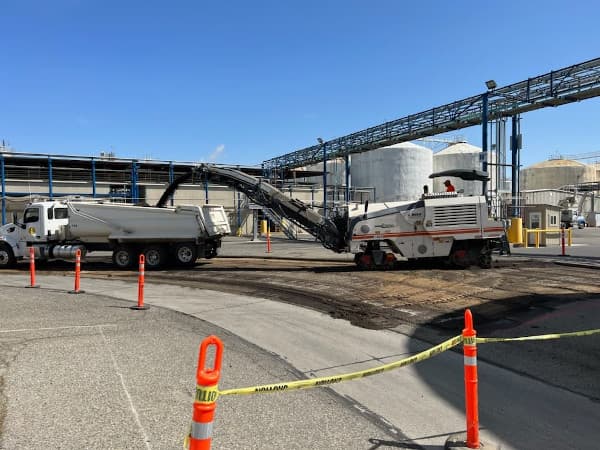
Paving a private community requires real logistics. Residents, garbage trucks, and school buses still need to move, and that shapes how we plan every phase of the work.
- Phased Neighborhood Scheduling: We phase every neighborhood paving project so traffic always has a clear route. Before we start, we map out which streets close when, coordinate with waste haulers, and confirm emergency access at every step.
- Proactive Reserve Budgeting: A full repave is one of the largest expenses an HOA will face. We help boards avoid it longer by building a proactive maintenance schedule. Timely driveway sealcoating and crack filling can double the lifespan of your existing roads—without touching reserves.
- Managing Resident Expectations: We provide phasing maps and timelines you can share directly with residents. Everyone knows when to move their cars and what to expect before the first truck arrives.
Liability Reduction & Safety Compliance
Lifted sidewalk panels and potholes create direct liability for the HOA. Tree roots push up concrete joints along walking paths, and when a resident falls, the association is on the hook.
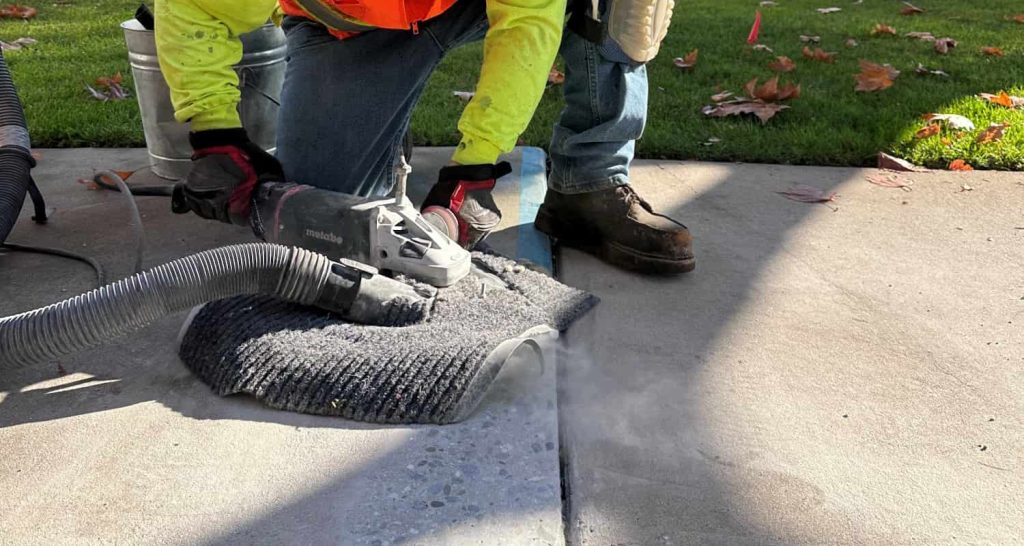
Instead of a costly concrete demolition, our concrete grinding services level uneven joints quickly. Walkways stay ADA-compliant and slip-and-fall exposure drops immediately.
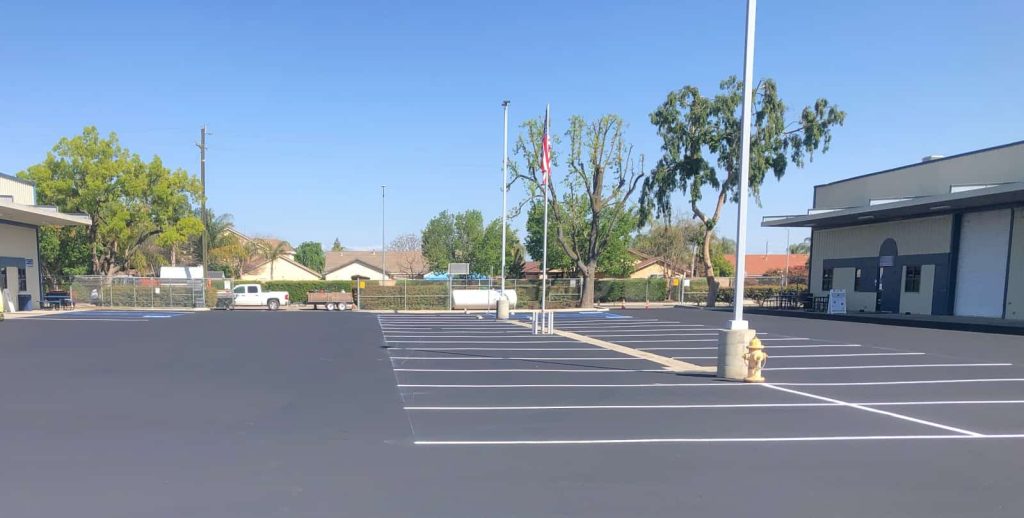
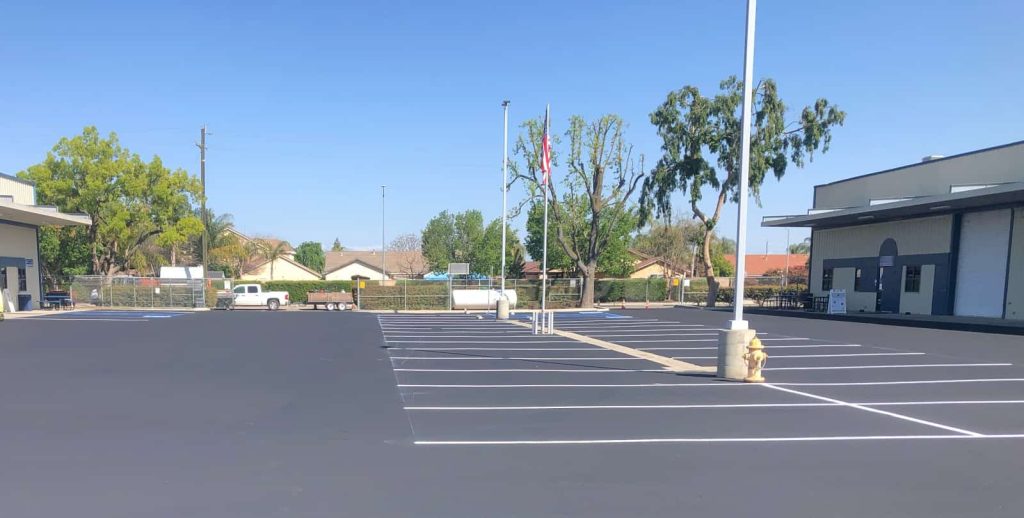
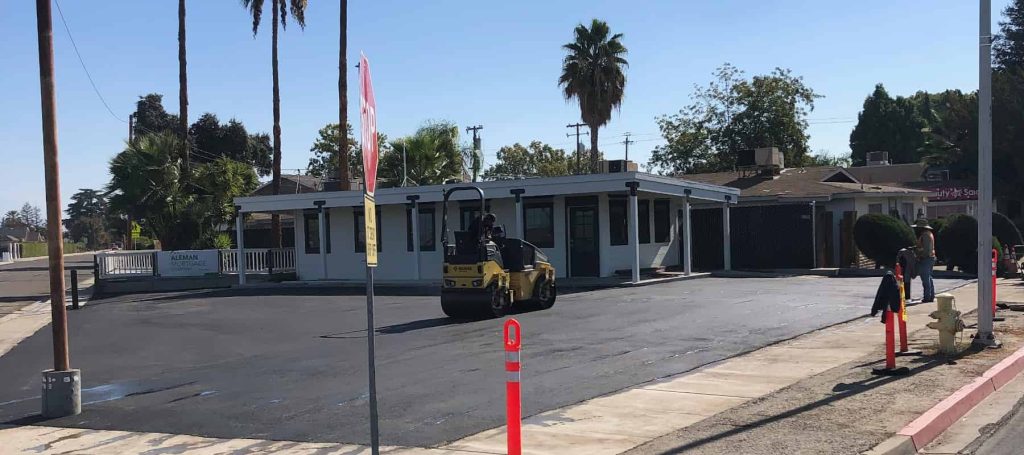
See our HOA paving process in action with Cottage Commons HOA.
Concrete Grinding and ADA Compliance
Aesthetic issues aside, lifted sidewalks are a massive legal liability for an HOA. Mature tree roots inevitably push up concrete panels along community walking paths and neighborhood parks, creating severe trip hazards. If a resident trips and falls, the association is on the hook. Instead of an expensive, messy demolition and repour of the concrete, our concrete grinding services solve the problem in minutes. We use specialized equipment to grind down the raised lip of the concrete, creating a smooth, ADA-compliant transition. It permanently eliminates the trip hazard, keeps your walkways safe, and saves the HOA thousands of dollars in concrete replacement costs.
Let’s Talk About Your Community’s Roads
Whether your board is planning a full repave or just trying to protect what’s already there, we build a plan that fits your timeline and budget. Request a free estimate today. We’ll walk the property, assess the sub-grade, and give your board a straight assessment.